
Class Action Lawsuit Against Veterans United (Filed Feb. 18, 2026): What VA Homebuyers Need to Know
Feb 25, 2026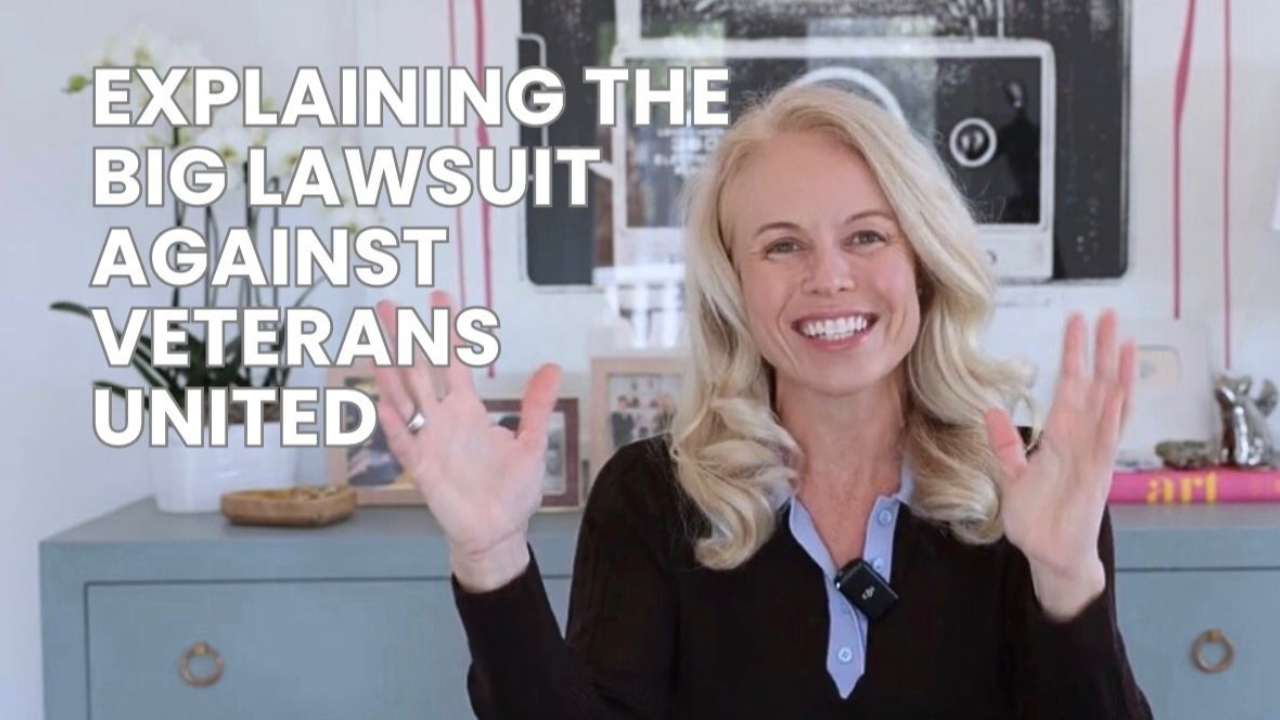
A class action lawsuit was filed on February 18, 2026, alleging that Veterans United Home Loans engaged in deceptive marketing and illegal “steering” practices that may have harmed veteran and active-duty homebuyers.
If you’d rather watch or listen to the full breakdown, here you go:
https://www.youtube.com/watch?v=Zpop3SWCUqM
Before we jump in: I’m not an attorney, and nothing in this post is legal advice. I’m a mortgage lender who works in the VA space, and I’m summarizing what the lawsuit alleges and what homebuyers should consider doing next.
What is this lawsuit claiming?
According to the attorneys who filed it, the lawsuit is “two-fold” and centers on two main allegations:
1) Alleged deception about VA affiliation
The complaint alleges that Veterans United is not affiliated with the U.S. Department of Veterans Affairs or the federal government, yet its marketing and website design allegedly lead some consumers to believe it is connected to the VA.
The filing points to claims like being “The Nation’s #1 VA Lender” and other presentation choices that, according to the lawsuit, may cause confusion about whether the company is endorsed by or part of a government program.
2) Alleged RESPA violations and “steering.”
The second major allegation is tied to the Real Estate Settlement Procedures Act (RESPA). The lawsuit claims that certain practices steered homebuyers away from better rates and lower-cost options, resulting in more expensive loan outcomes for consumers.
In plain English: the lawsuit alleges that some buyers may have been kept with Veterans United—even when they found better pricing elsewhere—because of behind-the-scenes incentive structures.
What does “steering” mean in this context?
In real estate and mortgage lending, “steering” generally refers to improperly directing a consumer toward a particular provider for reasons that may not be in the consumer’s best interest.
The lawsuit alleges that Veterans United maintained a network of “affiliated” real estate agents who received referrals from Veterans United and, if a referred lead closed, the agents allegedly paid Veterans United around 35% of their commission.
It further alleges that these agents were required to steer clients into using Veterans United for the mortgage, even if the terms were less favorable, and that failure to do so could result in agents no longer receiving leads.
Important: these are allegations in a filed lawsuit, and the claims will be tested through the legal process.
Who might be affected?
The press release connected to the lawsuit states that consumers who used Veterans United Home Loans to finance a home at any time since January 1, 2020, may want to learn more about their rights.
The transcript you provided also references a broader “used their realtor referral” scenario. If you:
-
used Veterans United for a mortgage, and/or
-
used a real estate agent they recommended,
-
and your transaction occurred from Jan. 1, 2020 onward,
…you may want to review the lawsuit details and consult qualified legal counsel to understand whether you could be part of the class.
Practical steps VA buyers can take right now
Regardless of how this case ultimately plays out, there are a few protect-yourself moves that help VA buyers in any market:
1) Shop your loan (yes, even for VA)
Compare rates, fees, and total cash-to-close across at least 2–3 lenders. Ask each lender for a clear breakdown of:
-
interest rate and APR
-
lender fees/points
-
estimated title / settlement charges
-
any lender credits
2) Ask direct questions about referrals and incentives
If someone “recommends” a lender or agent, ask:
-
“Do you receive anything of value for this referral?”
-
“Is there a referral fee, marketing fee, or affiliated arrangement involved?”
-
“Can you put that answer in writing?”
Transparency matters.
3) Know you can choose your lender
A real estate agent may have opinions, but you generally control who provides your financing. If you find a better option, you should be able to evaluate it calmly and clearly, without pressure tactics.
4) Get clarity on the buyer agreement (and the commission)
If you sign a buyer agreement with an agent, make sure you understand:
-
how the agent is paid
-
whether the seller is covering any portion
-
what you may owe if compensation isn’t covered elsewhere
5) If you think you were harmed, document everything
If you believe your loan was higher-cost than it should have been, or you felt you were prevented from switching, save:
-
emails/text messages
-
your Loan Estimate (LE) and Closing Disclosure (CD)
-
any rate quotes you received elsewhere
-
any written guidance from your agent or lender
Then consult an attorney for advice specific to your situation.
Bottom line
This lawsuit alleges that some VA buyers may have been misled about affiliation and steered into higher-cost outcomes through referral/commission arrangements.
No matter what happens in court, the big takeaway is simple: you deserve clarity, you deserve options, and you deserve a process that puts your best interests first.
If you want a second set of eyes on your numbers (or you just want help understanding the VA loan process), my team and I are happy to help.
📞 Call or Text Me: (786) 933-2077
🏡 Get Pre-Approved: https://www.zerostressmortgage.com
📅 Set Up a Time to Chat: https://calendly.com/jennifer-beeston
Source
Hagens Berman (Feb. 18, 2026).
Lawsuit Accuses Veterans United Home Loans of Deceiving Military Homebuyers and Violating Real Estate Laws.
Business Wire
https://www.businesswire.com/news/home/20260217675222/en/Hagens-Berman-Lawsuit-Accuses-Veterans-United-Home-Loans-of-Deceiving-Military-Homebuyers-and-Violating-Real-Estate-Laws