
Starter Home vs. Dream Home: Which Should You Buy First?
Jan 26, 2026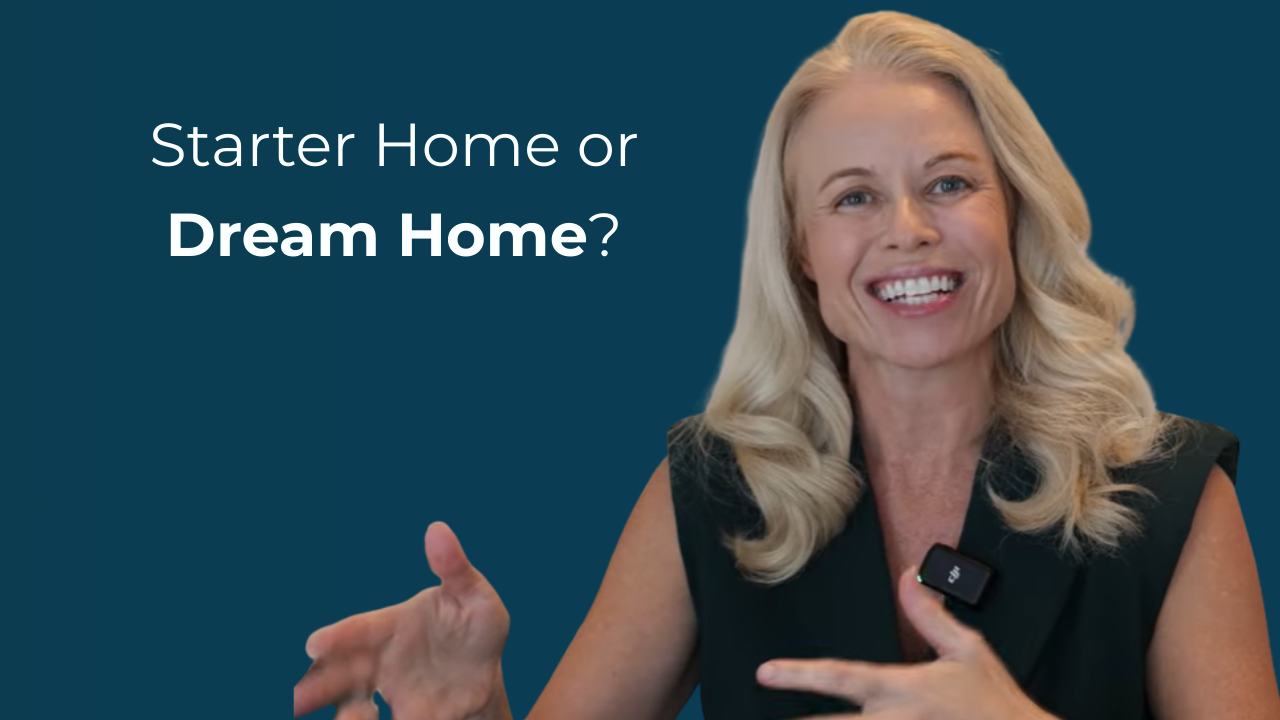
One of my teammates, Alex, asked me a great question the other day:
“Jen, my boyfriend and I are starting to save for a house. We don’t know if we should buy a starter home now or keep saving for our dream home.”
It’s a question I hear all the time, and the answer is both complicated and simple — depending on your situation.
Prefer to watch instead of read?
You can watch the full video here:
👉Starter Home vs. Dream Home: Which Should You Buy First
For context, I’ve been a mortgage lender for 19 years, and my team is one of the top purchase teams in the country. I’ve talked through this exact decision with thousands of buyers, and there are a few key things I always look at first.
Step One: Do You Have the Income for the Dream Home?
The very first thing I look at as a lender is income, not savings.
If you called me and said, “Jen, I really want my dream home, but I need to save more,” my immediate question would be:
Can you actually afford the payment on that dream home today?
If your income supports it and saving is the only barrier, that’s one scenario.
But if you don’t have the income yet and you’d need to save 40%, 50%, or even 60% down just to qualify, that’s a very different conversation.
Because if it’s going to take you:
-
3 years
-
5 years
-
or even 10 years
to save enough to make the dream home work, you may be leaving a lot of equity on the table by waiting.
The Hidden Cost of Waiting: Lost Equity
Here’s what a lot of people don’t realize:
While you’re saving and renting, you’re not benefiting from home appreciation.
In many parts of the country, over a 5–7 year period, home values typically rise. That appreciation is equity — and equity matters.
So when I see someone paying rent for years while trying to hit a moving savings target, it’s often not the most efficient path.
The Problem With a “Moving Target”
Let’s say you’re thinking:
“My dream home is $500,000. I want to put 20% down, so I’ll save $100,000 over the next two years.”
That plan assumes home prices stay flat.
Before 2020, many people waited to save more and watched home values rise faster than their savings. Suddenly, that 20% down payment became even harder to reach.
That’s why I say the target often moves.
When a Starter Home Makes Sense
I generally recommend a starter home when:
-
Your income isn’t high enough yet for the dream home
-
It would take 3–5+ years to save enough to make the dream home work
-
You want to start building equity instead of paying rent
That said, a starter home often lasts longer than people expect.
Many buyers who purchased starter homes between 2020 and 2022 ended up staying longer than planned because:
-
Rates were extremely low
-
Moving up became more expensive
Sometimes, your starter home becomes your long-term home, so it’s important that you’re not just “settling.”
If you wouldn’t be okay living there for 5–10 years, it’s not the right starter home.
Another Reason to Choose a Starter Home: Income Stretching
Even if you have the down payment, income still matters.
If you can technically qualify for the dream home but your debt-to-income ratio is tight, that’s a red flag. Stretching can be risky, especially if your income includes overtime.
If we ever hit a recession, overtime is usually one of the first things to go.
In those cases, a starter home with a more comfortable payment can give you breathing room.
When You Should Skip the Starter Home
There are times when I’d say skip the starter home entirely.
If:
-
Your income already supports the dream home
-
You can qualify comfortably
-
Saving the minimum down payment would take about a year
Then going straight to the dream home often makes more sense.
Many buyers discover during this process that budgeting, not income, is the real issue. Subscription services, convenience spending, and small recurring expenses add up fast.
If saving the down payment is achievable with some intentional planning, that’s usually the better route.
The Risk of Short-Term Ownership
One thing I always caution buyers about:
Buying a home with the plan to sell it within a year is risky.
What happened between 2020 and 2022 was not normal.
In a more typical market, average appreciation is around 3% nationally. Selling too quickly often means losing money once transaction costs are factored in.
That’s why I generally tell people to assume a minimum 3-year commitment when buying any home.
The Bottom Line
Here’s the simple framework I use:
-
If you have the income and can save for the dream home within a year → go for the dream home
-
If it will take 5–7 years to make the dream home work → buy the starter home, and start building equity
That equity often makes the jump to your dream home much easier down the road.
If you want help talking through your specific situation, my team is always happy to walk through the numbers with you.
📞 Call or Text Me: (786) 933-2077
🏡 Get Pre-Approved: https://www.zerostressmortgage.com
📅 Set Up a Time to Chat: https://calendly.com/jennifer-beeston